Things to Do in Mallorca
If you ask me what to actually do on Mallorca, the answer depends on how many days you've got and what kind of trip you're trying to have. I've sent first-time visitors out across the island dozens of times — couples on a long weekend, families with three different ages in the back of the rental, friends in their sixties who'd already written off mass tourism — and the trip that works is always the same shape: five marquee things you'd kick yourself for missing, plus a thematic afternoon or two depending on what you're after.
What Mallorca isn't: it isn't a one-attraction island, it isn't a museum capital, it isn't a non-stop adventure park. It's a mountain range, a karst plateau, farmland, an Old Town, and a coastline — laid next to each other in a one-hour radius. Pick a few angles, don't try for all of them.
The five Mallora always sends people to
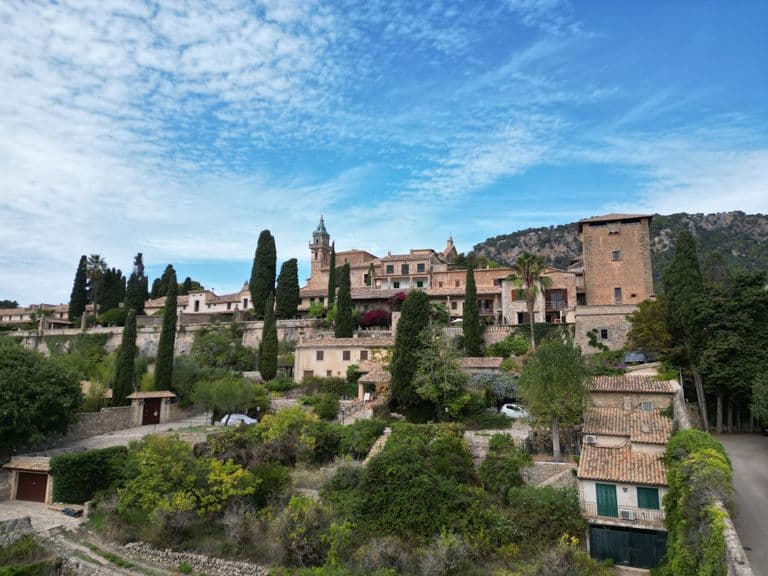
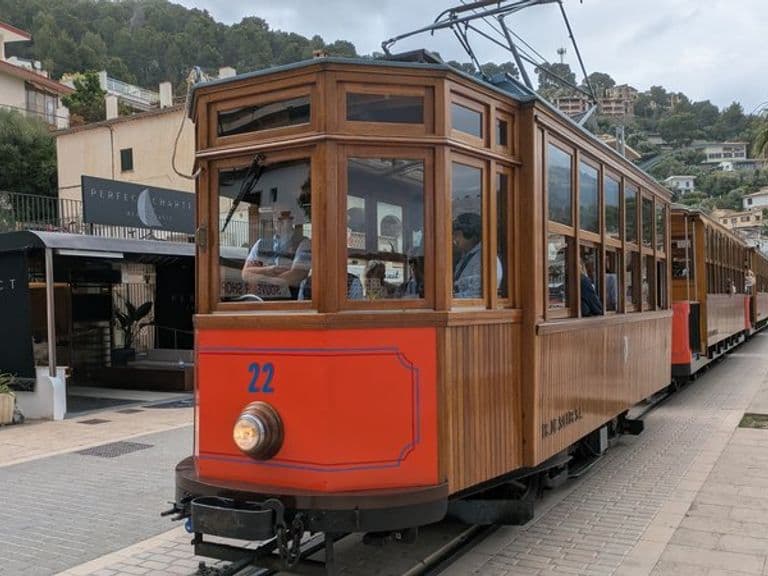
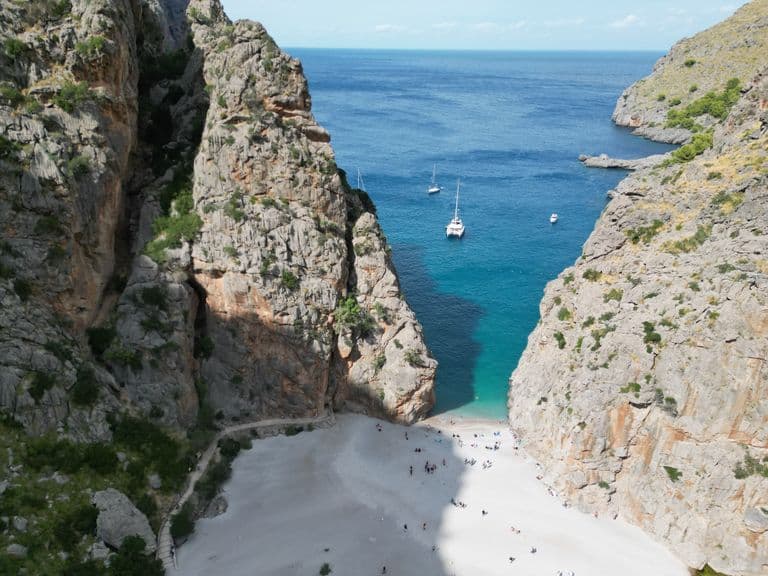
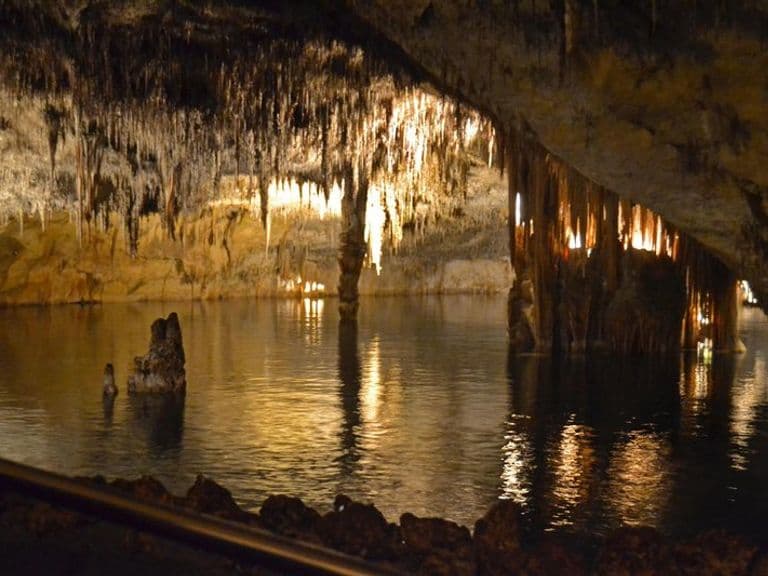
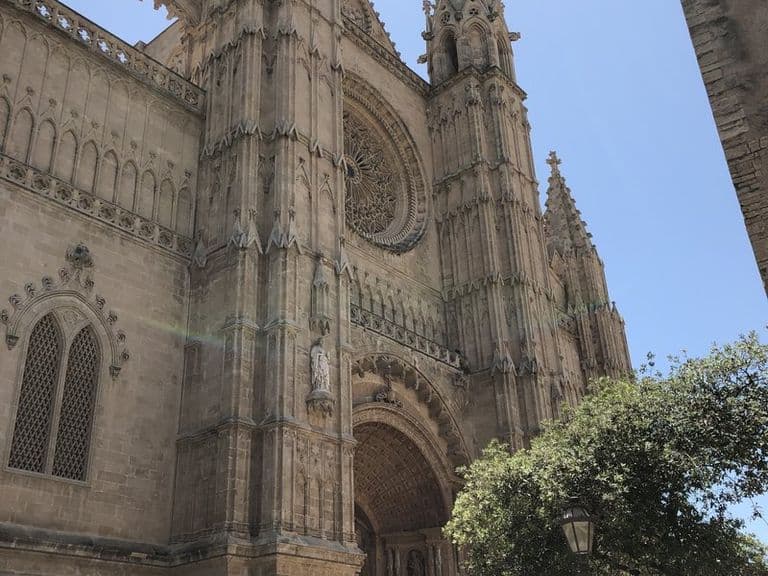
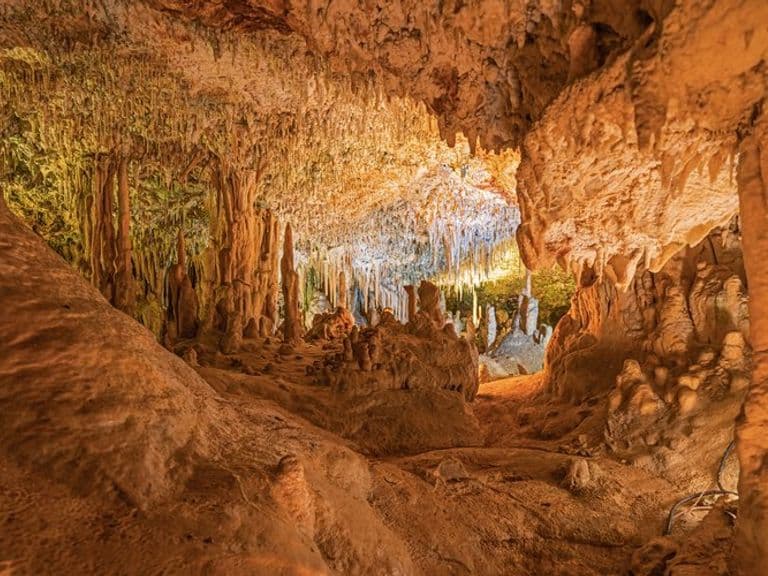
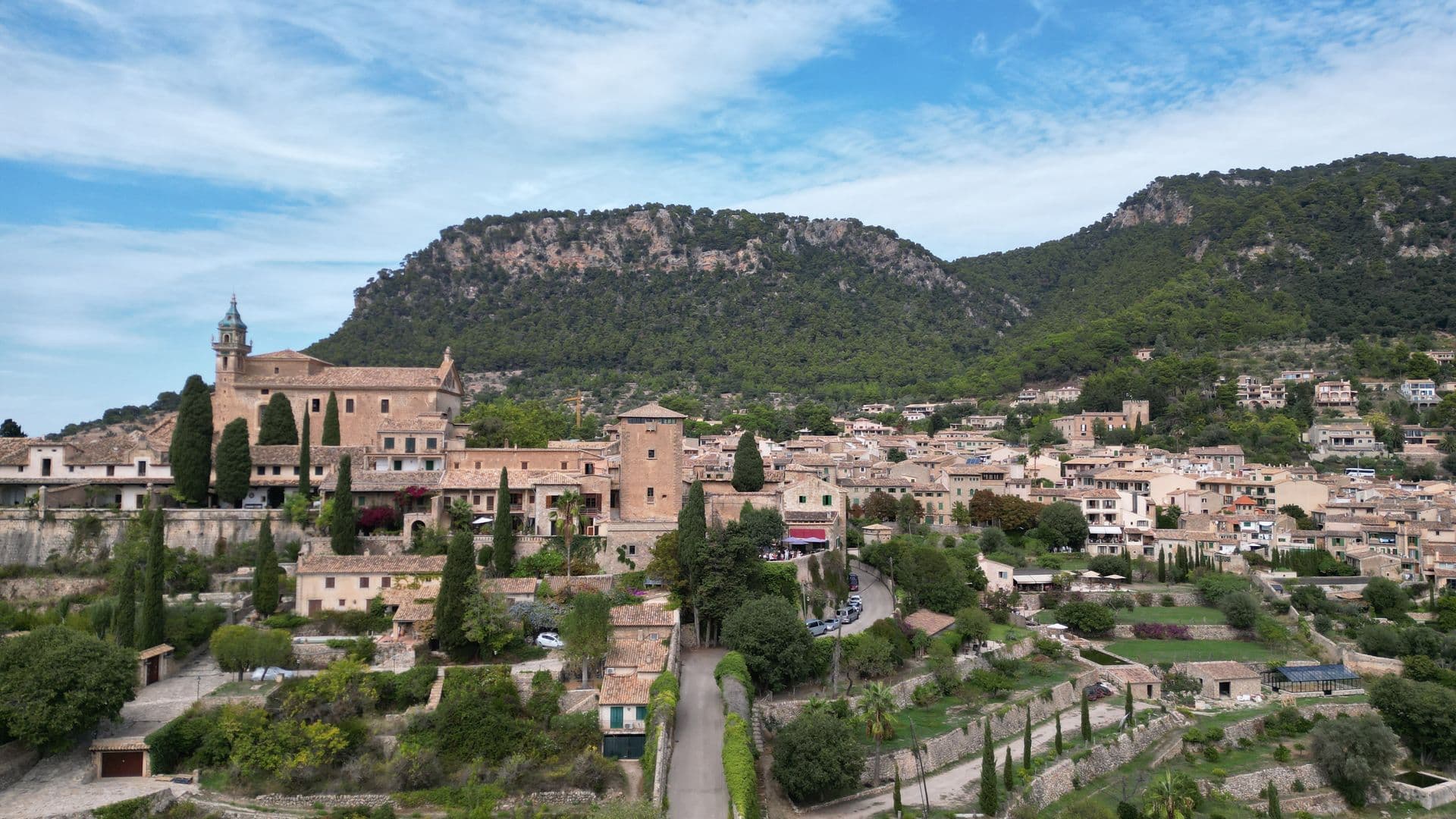
If you've got one chance to come, do these five. The Carthusian Monastery in Valldemossa for the Chopin cell and the short piano recital — fifteen minutes most people remember longer than the building itself. The Tren de Sóller, the 1913 open-sided wooden tram that rattles down to the port — board from the port end if you want a window seat. The drive out to Sa Calobra, twelve kilometres of switchbacks ending in a 360° loop that ties itself in a knot, then a cove walk through two tunnels carved in the rock. The Coves del Drach at Porto Cristo, where the cave system ends with a string quartet playing from boats on an underground lake. And La Seu, Palma's Gothic cathedral on the seafront — slot it between half past eight and nine, when the sun pierces the largest rose window in Gothic Europe and the nave turns kaleidoscope.
Cave country
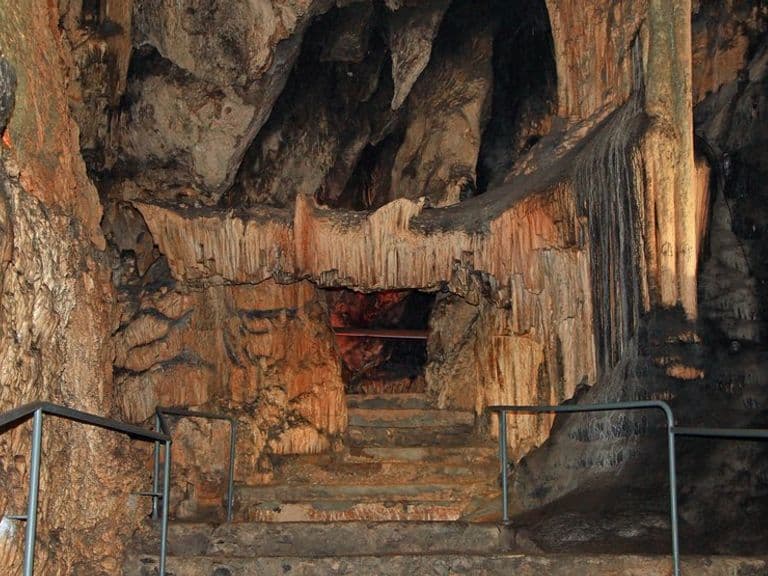
Mallorca sits on karst, and the eastern interior is hollowed out. Drach is the headline. Two quieter alternatives: Hams Caves, the second Manacor system, runs the same lake-and-classical-concert format with a fraction of the crowd. Coves d'Artà, an hour northeast, is the sea-cliff option — bigger halls than Drach, and the entrance frames the bay before you even step inside. For the fourth cave and the deeper take, see the Caves of Mallorca guide.
Hike up to a view
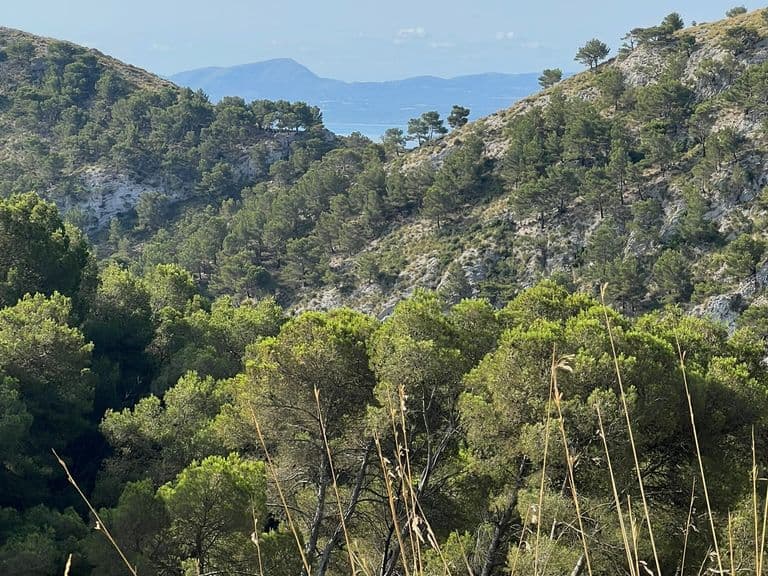
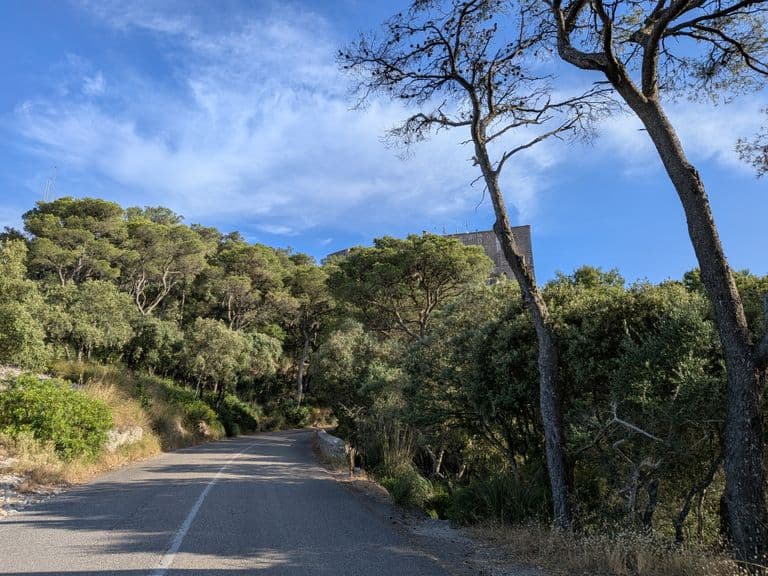
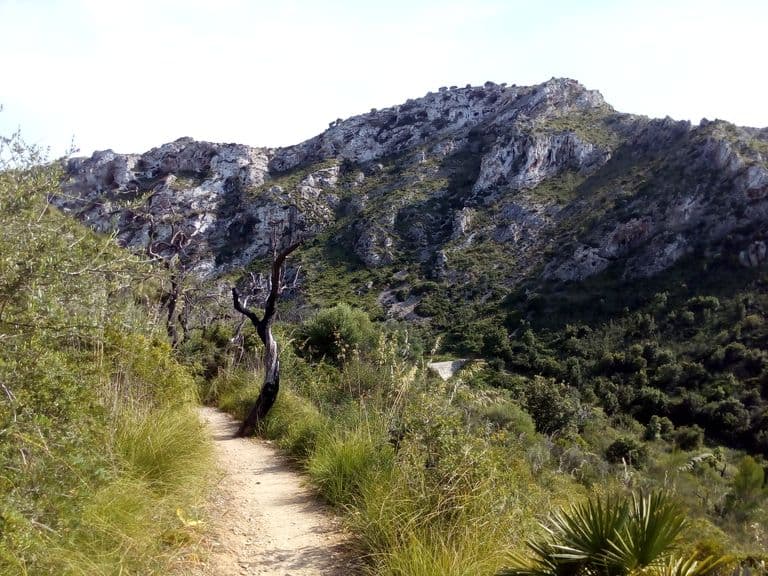
Mallorca's geography rewards getting above it. Talaia d'Alcúdia is the classic summit hike — four to five hours round trip, about 550 metres up and down, with the whole Bay of Alcúdia laid out below you at the top. Puig de Sant Salvador above Felanitx is the drive-up version: a switchback ribbon to a hilltop sanctuary and stone monument, and a platform looking across the southeast toward Portocolom. Or for an hour of quiet without the climb, Ermita de Sant Honorat — the middle of three monasteries strung up Puig de Randa, half an island visible from the front terrace. For more on Mallorca's trails, viewpoints, and hilltop sanctuaries, see the Hiking in Mallorca, Best Viewpoints and Hermitages & Sanctuaries guides.
Old stones, deep history
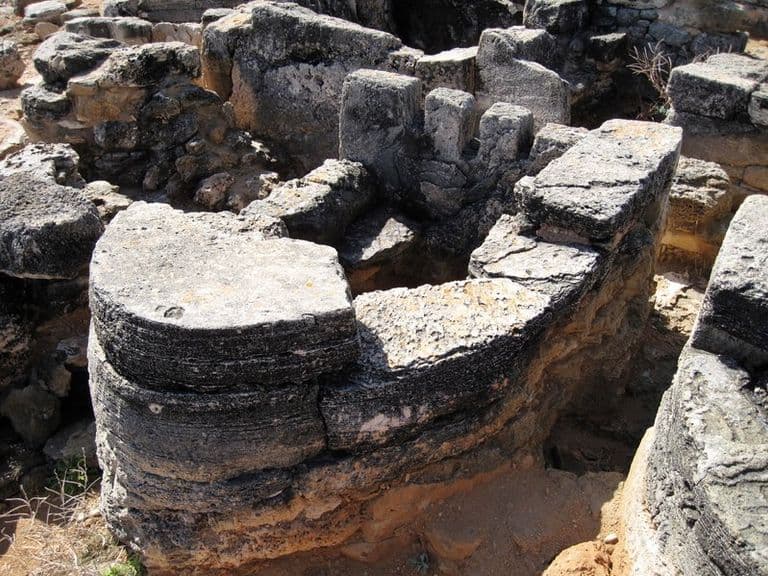
Mallorca was inhabited a thousand years before the Romans turned up, and the Talayotic culture left dry-stone settlements scattered across the south and east. Talaiot Capocorb Vell outside Llucmajor is the headline site — circular Bronze Age structures, more than three thousand years old, sitting open in farmland. Ses Païsses on the edge of Artà runs the same era with cyclopean walls around a central tower, set inside a holm oak grove. Necròpolis de Son Real near Can Picafort is the burial-ground variant — a flat 2.5 km walk through coastal reserve, sea breaking right behind the stones. See the Archaeological Sites of Mallorca guide for the rest, plus the Palma Old Town Walking Guide for the Roman-and-medieval layer in the capital.
Culture day in Palma
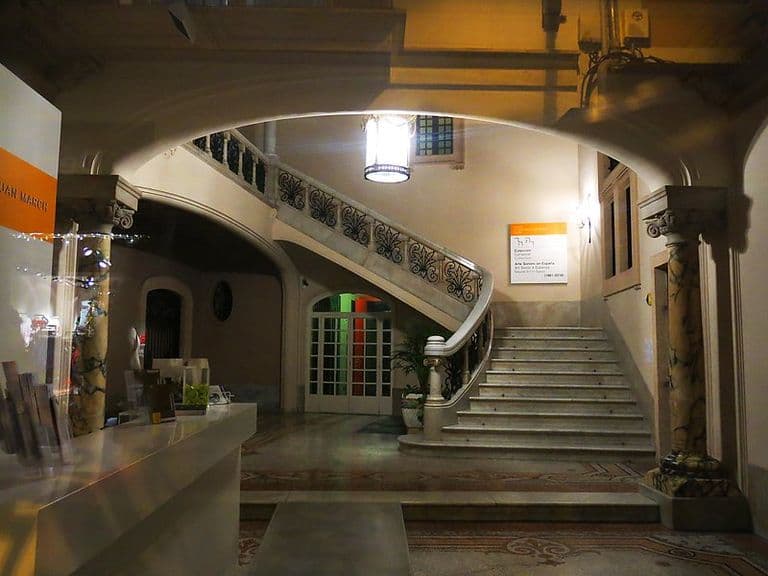
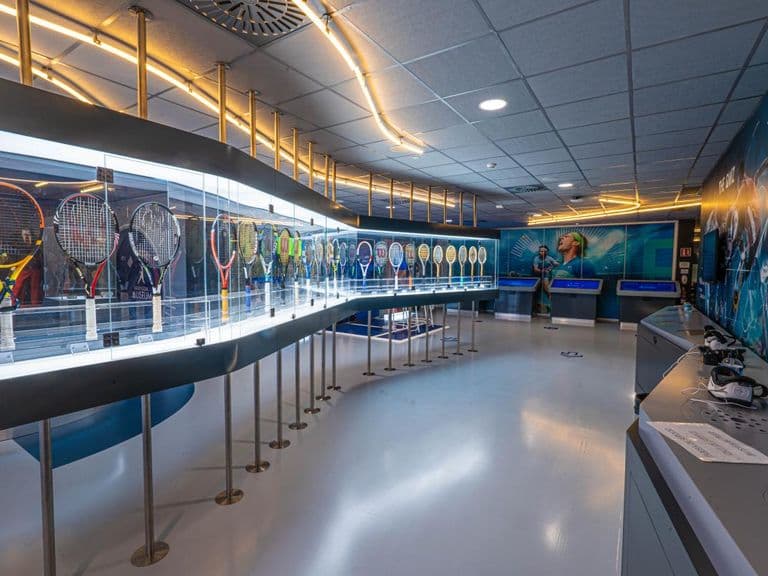
A full Palma culture day is a real option — and a useful one when the weather turns. Museu de Mallorca is the island history museum, tucked inside a 17th-century palace with Talayotic bronzes, a small Miró room, and an attic side-on view of the cathedral nobody warns you about. Fundación Juan March on Sant Miquel is the free modern art stop — Miró, Dalí, Picasso and Barceló in the same half hour. The Manacor outlier is the Rafa Nadal Museum — twenty-two Grand Slam trophies plus a simulator wing for non-tennis kids. See Museums of Mallorca for the full list.
With kids in tow
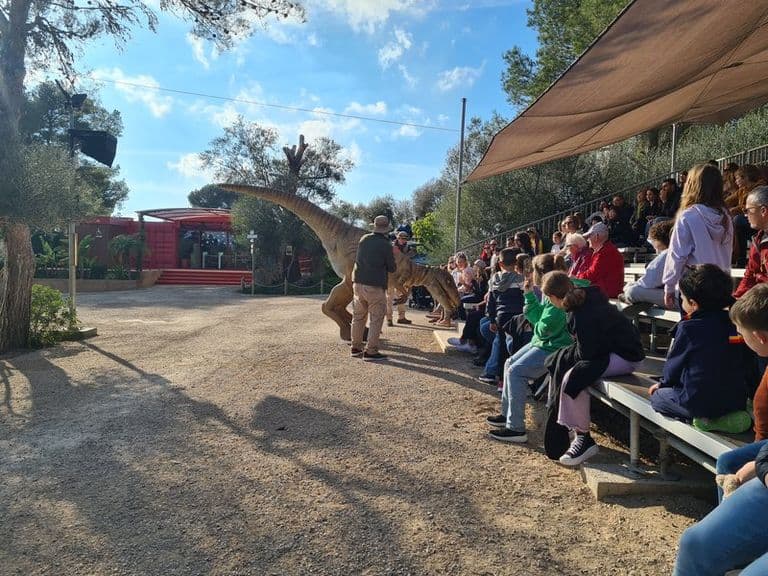
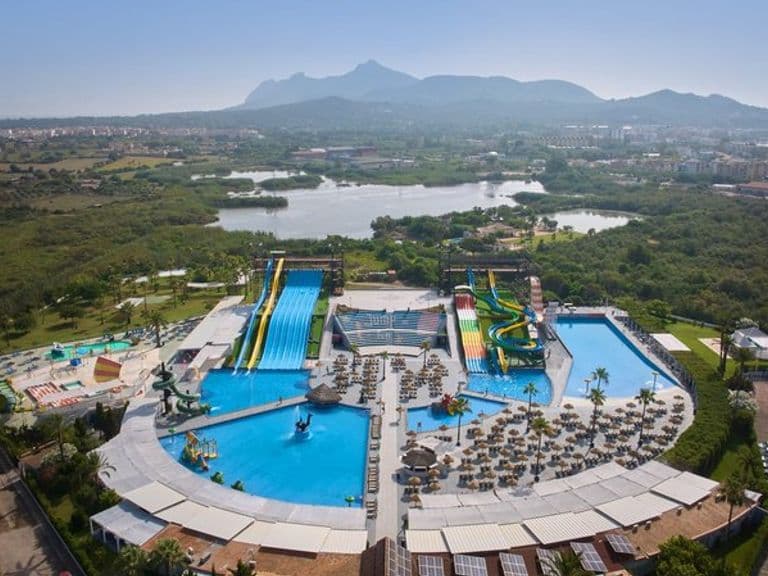
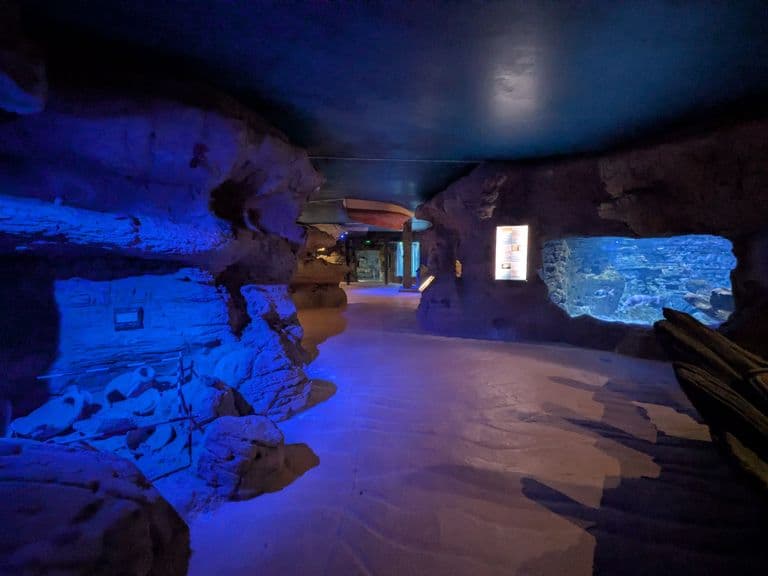
The standard kid moves cluster on the Bay of Palma and around Manacor. Palma Aquarium is the half-day option close to the city, with a shark tank as the headline. Dinosaurland at Porto Cristo pairs naturally with Hams Caves — forty life-size animatronic dinosaurs on a shaded loop, plus a playground at the back. And Hidropark Alcúdia is the August water-slide option on the north bay when the heat needs cancelling. The full set, including the marine-life and play-centre venues, is in the Mallorca with Kids guide.
Nature reserves and quiet days
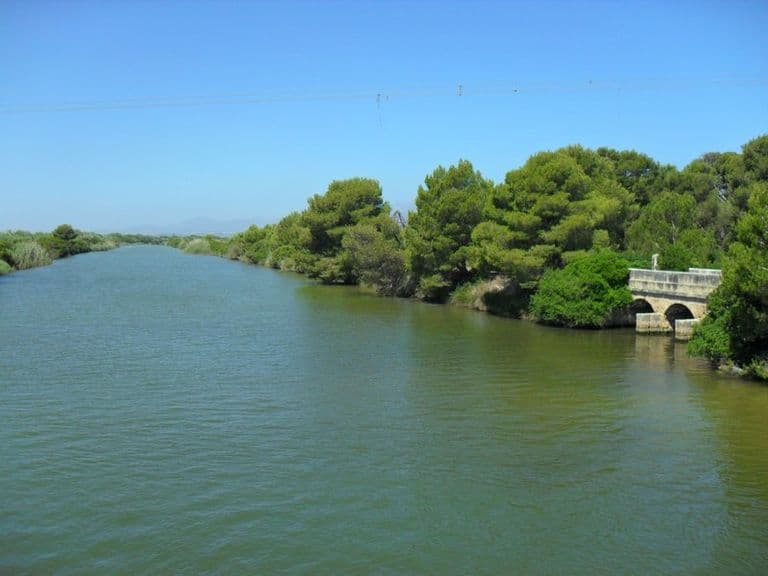
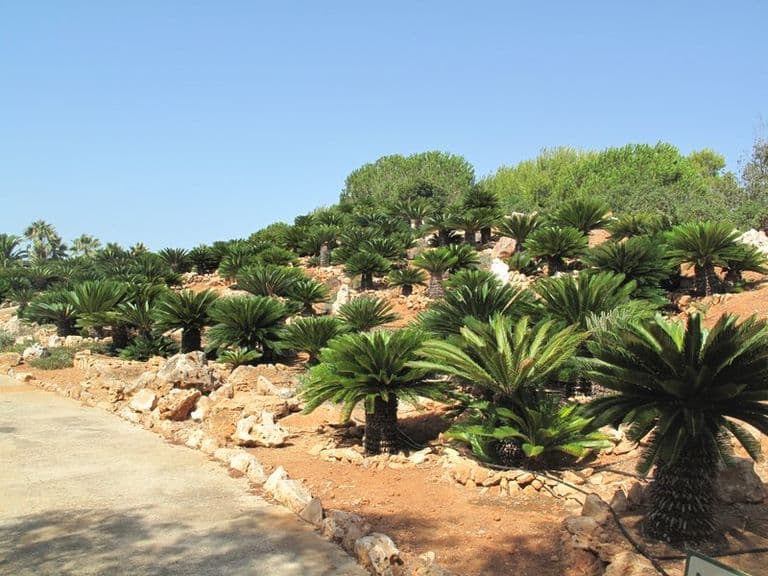
The south and the north bay have nature days almost no one talks about. Parc Natural de s'Albufera is the wetland reserve behind Playa de Muro — wooden bird hides onto lagoons full of flamingos, avocets and herons. Salines des Trenc is the working salt producer next to Es Trenc beach, with guided tours through ponds that shift from white to pink to blue with the evaporation stage. Aquarium Cabrera in Colònia Sant Jordi introduces the marine life of the offshore national park. And Botanicactus outside Santanyí holds cacti the size of small cars — fly to Arizona, or drive south. The Wildlife & Nature Reserves guide goes deeper.
Mallora's tip — by how long you've got
If you've got one day and one chance, do Palma in the morning (La Seu early for the rose window) and a Tramuntana afternoon (Valldemossa and the Sóller tram). If you've got three days, add the cave country east — Drach, Hams, or the bigger-hall Coves d'Artà on the way north — plus a hike or a view (Talaia d'Alcúdia or Puig de Sant Salvador). With kids in the car, slot in Palma Aquarium early in the trip and Dinosaurland next door to Hams; Hidropark Alcúdia is the August cancel-the-heat option on the north bay. If you've got a week, layer in a slow nature day south (Salines, Aquarium Cabrera, Botanicactus) and one of the deep-history sites (Capocorb Vell, Ses Païsses or Son Real); add the bird hides at s'Albufera if a binocular morning is your idea of a holiday. When it rains, take a Palma culture day — the Museu de Mallorca attic, the Fundación Juan March on Sant Miquel, and inland the Rafa Nadal Museum when the beach plan dies. And if you've already been, skip the marquee five — the rewards on a second trip sit on Ermita de Sant Honorat's front terrace and on the road to Sa Calobra at six in the morning, before the buses start. Whichever variant you pick, plan the day around an early start — Mallorca's headline sights fill up by midday in summer, and most of them earn the dawn light better than the afternoon glare. For a fully built-out day-by-day picker, see the Day Trips from Palma guide.