Archaeological Sites of Mallorca
People have been living on Mallorca for about five thousand years, and the rocks remember. The Talayotic culture — the Bronze Age and Iron Age people who built the cyclopean stone settlements you can still walk through — left more than a thousand sites on the island, most of them lying quietly in farmland or pine forests. The Romans came after them, then the Vandals, then the Byzantines, then four hundred years of Moorish rule, and only one of all that survives intact in Palma: a small Arab bath in the Old Town.
These are the six I send people on when they want to add depth to a beach trip — three outdoor Bronze Age sites scattered across the south, east and north of the island, the last surviving Moorish baths in the capital, and the two museums that hold the context for everything else. None of them ask more than a couple of hours; most are free or close to it. Pick by where you'll already be.
Bronze Age open-air sites — three Talayotic settlements in the countryside
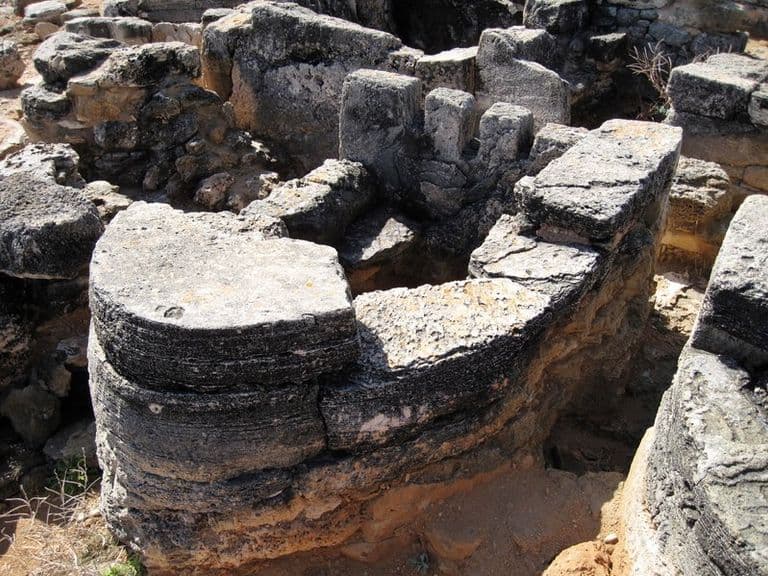
The Talayotic culture takes its name from the talaiot, the round stone tower at the centre of most of their settlements — a structure no one quite agrees the purpose of. Watchtower? Granary? Ceremonial centre? The three sites below all have one, and three thousand years of weather hasn't moved them.
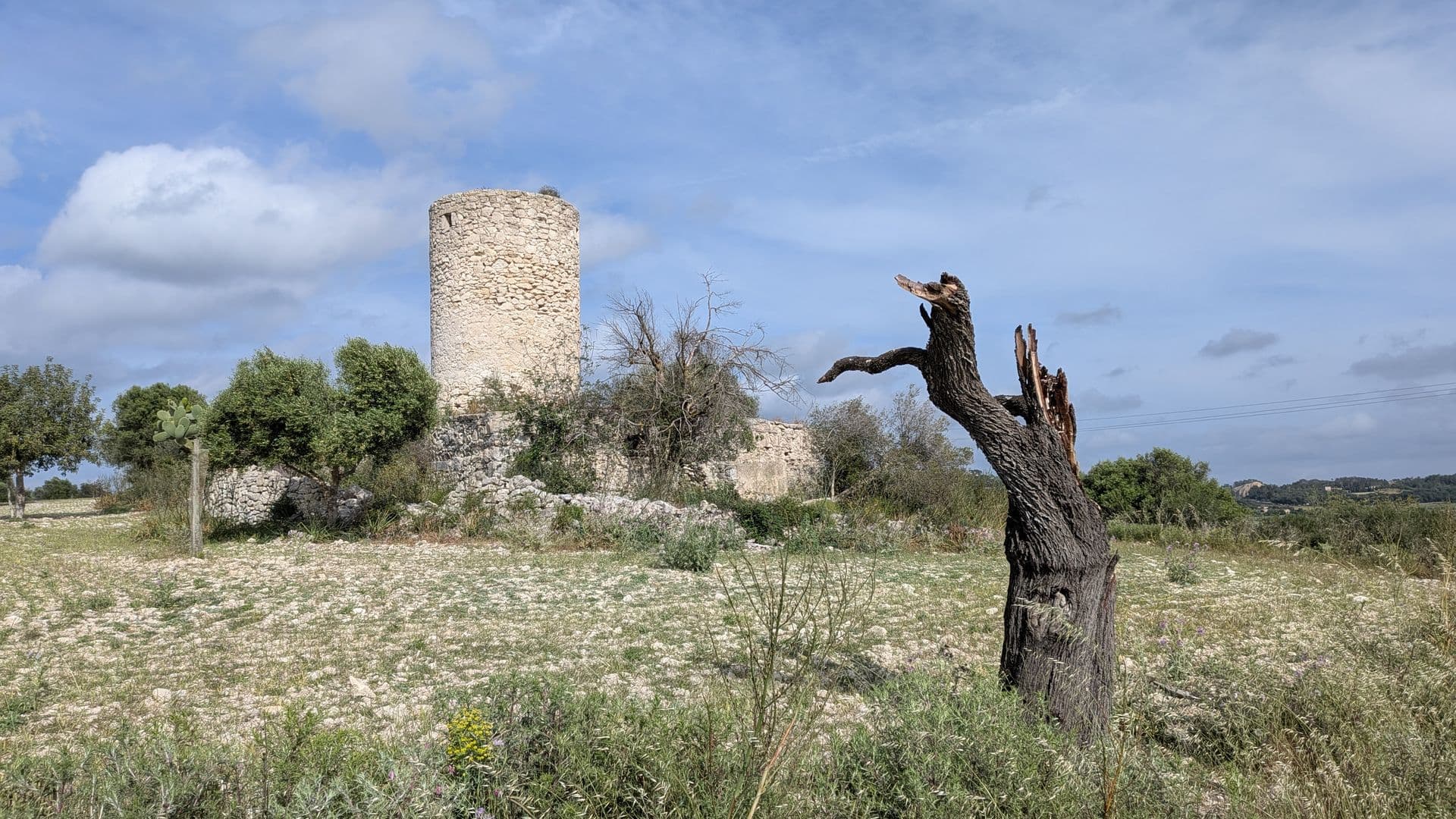
Talaiot Capocorb Vell sits in the fields south of Llucmajor and is the most extensive of the three — a self-guided walk through circular stone structures with info panels along the route, more than three thousand years old, laid out across more ground than you'd guess from the road. Quiet on weekdays; the area is popular with road cyclists, so expect lycra in the parking lot. Closed Thursdays — easy to miss on the way down.
Ses Païsses on the edge of Artà is the more compact site — a Bronze Age settlement built around 850 BC, set inside a holm oak grove with monumental cyclopean stone gateways and the central talayot tower at its heart. The whole loop takes twenty to thirty minutes — it's small, not a half-day. Info panels are in Catalan, Spanish and English; a QR code handles other languages. The access road is potholed and the parking lot holds about eight cars, so arrive early.
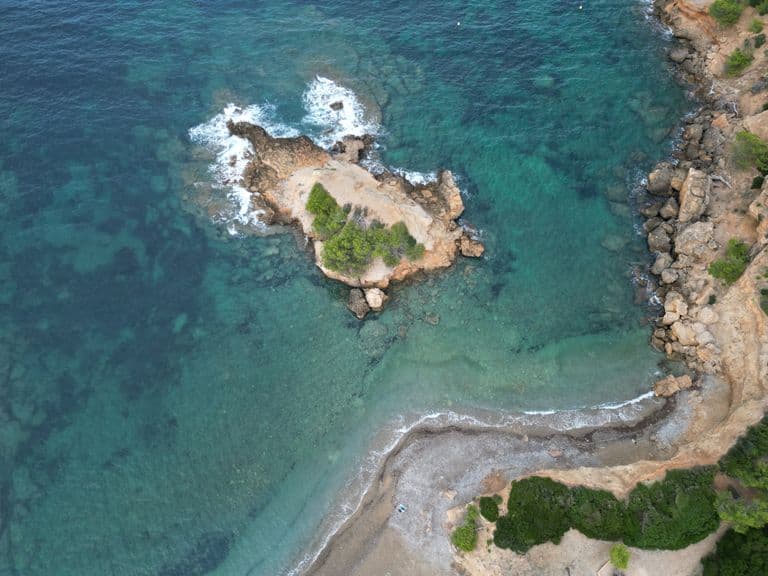
Necròpolis de Son Real on the coast near Can Picafort is the burial counterpart — a Bronze Age cemetery on a low headland with the sea breaking right behind the stones. Park at Finca de Son Real (free, with toilets), then walk two and a half kilometres flat through the coastal nature reserve to reach the tombs. Info panels explain the excavations in several languages. No café, no shade, no facilities at the necropolis itself — just stone graves on a headland and the Mediterranean behind them. Go early; stick to the marked paths because the area is home to protected tortoises and ground-nesting birds.
A Moorish survival in Palma
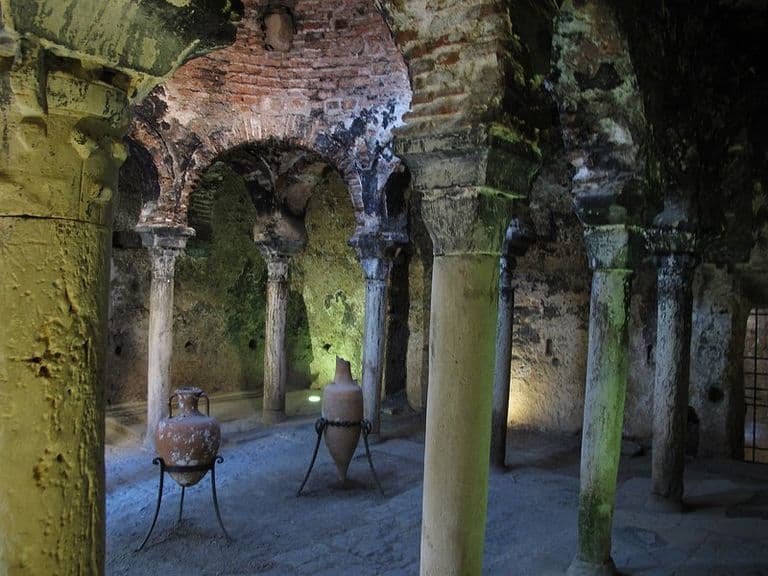
Banys Àrabs tucked down a narrow lane in Palma's Old Town are the only Arab baths that survived the Christian reconquest of the island — two small vaulted chambers from the 10th century plus a walled garden with orange trees and shade benches. Set expectations before you go: the actual bath rooms take two minutes to see. The garden is what makes the stop worth half an hour, especially as a quiet pause between the cathedral crowd and lunch. Cash only at the door, no card readers, no exceptions. For a fuller route through the Old Town that includes Banys Àrabs in context, see the Palma Old Town Walking Guide.
Museums with the context
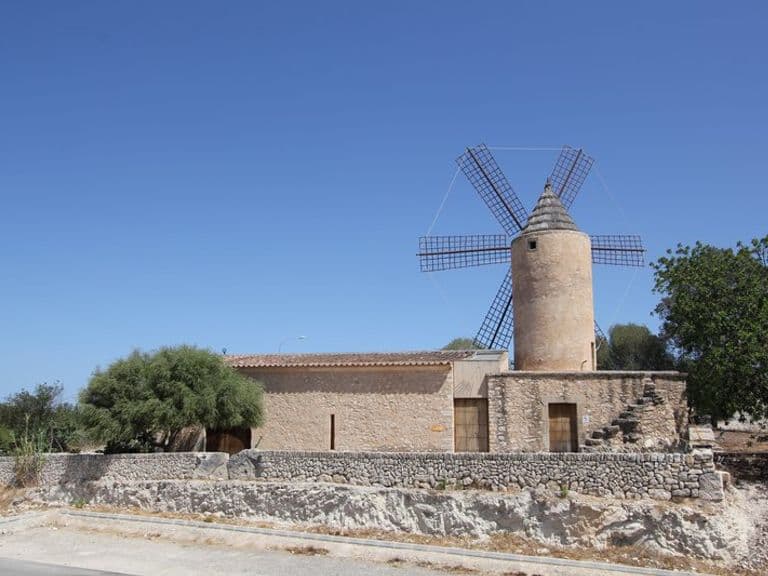
Museu Arqueològic de Son Fornés sits inside a restored windmill on the edge of Montuïri and is the single best stop for understanding what you saw at the outdoor sites. The mill itself is worth the visit; inside, a small but well-curated collection focused on the Iron Age Son Fornés settlement and Roman-era Mallorca explains the daily life behind the stones. Open weekday mornings only and shuts at 2 pm sharp, which catches a lot of visitors out — plan it before the lunch break, not after.
Manacor History Museum in the old cloister of Sant Vicenç Ferrer is the wider-frame option — Talayotic finds, Roman Manacor (try the jar of Roman garum at the exit; that smell stays with you), and the town's later industrial story all under one roof. Free entry, donation at the exit, an hour at most. Closed Tuesdays and Sundays. It sits in the shadow of the Rafa Nadal Museum next door and most visitors walk straight past — which is exactly why it stays quiet.
Mallora's tip — which one, when
If you've got a half-day in the south and you're staying anywhere near Palma, Capocorb Vell is a thirty-five-minute drive from the city — and the most substantial of the outdoor sites.
If you're already in the east for the caves or a day in Artà, Ses Païsses is twenty minutes from town centre — pair it with the Tuesday market and a slow Artà lunch.
If you're on the north coast at Alcúdia or Can Picafort, Necròpolis de Son Real is a flat coastal walk with the Bronze Age tombs as the destination — works equally well as a solo morning or a family activity.
If you're in Palma's Old Town for a morning of culture, Banys Àrabs sits a few minutes' walk behind the cathedral — the garden is the prize, not the chambers themselves.
If you want the context that ties the three Bronze Age sites together, Museu de Son Fornés is the stop that explains why those stones are arranged the way they are — best done before the outdoor sites if you have the option, after if you don't.
If you want the wider arc — Talayotic into Roman into the town's later industrial story — Manacor History Museum in the east is the broader frame, free and an hour at most.
One thing all six share: go in shoulder season if you can — April, May, September and October. The outdoor Talayotic sites have no shade, the parking is easier, and the experience of standing among three-thousand-year-old stones is better when you're not also fighting heatstroke.