Day Trips from Palma
Most people visit Mallorca and base themselves in Palma — and the city earns that. But the island isn't small, and the most interesting parts of it sit an hour away in every direction except the one you came from. The rhythm of a good Mallorca week is built around day trips: pick a direction in the morning, drive out, see two or three things properly, eat lunch where the locals do, and come back for a slow dinner.
These are the four I send Palma-based visitors on. Each is a real day — leave by ten, back by seven — with stops that fit naturally together. Pick by what's on the horizon you haven't seen yet.
Northwest: a Tramuntana classic — Valldemossa, Sóller, Sa Calobra
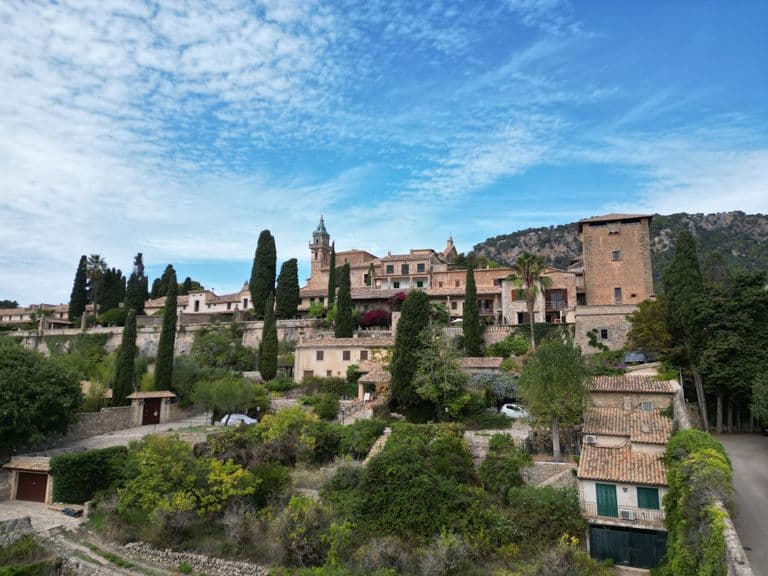
The most photographed day trip on Mallorca, and the one you should do early in the week so the rest of the island doesn't feel small after it. Drive out of Palma toward Valldemossa first — thirty minutes through olive groves and almond fields, then into the foothills.
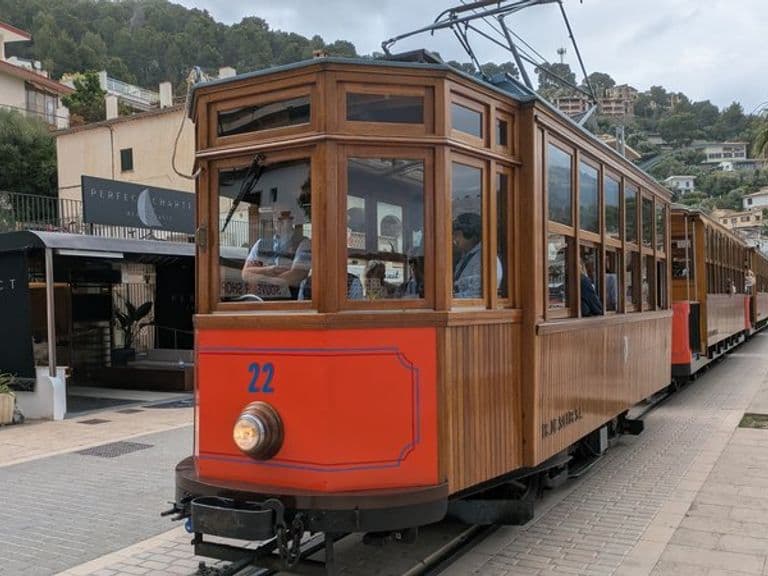
Start at the Carthusian Monastery Valldemossa — Chopin and George Sand spent the winter of 1838 in a stone cell that's now the photo everyone takes, the ticket covers the cloister, gardens, museum and a short Chopin piano recital, and the tower climb gives you the rooftops spilling down the valley. Closed Sundays. From Valldemossa it's another thirty minutes north to Sóller, where the Tren de Sóller's wooden tram — open-sided 1913 carriages — rattles down to Port de Sóller and back. Board at the Port end if you want a window seat; the morning runs are calmer than the afternoon scrums.
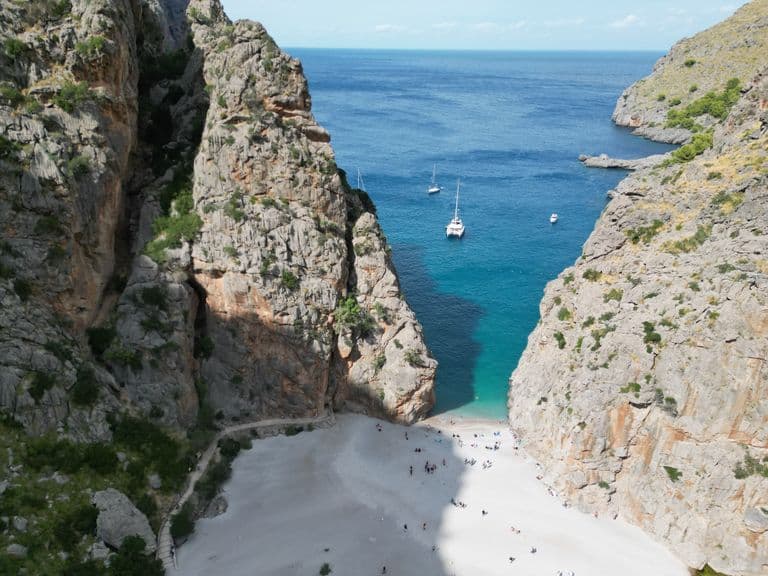
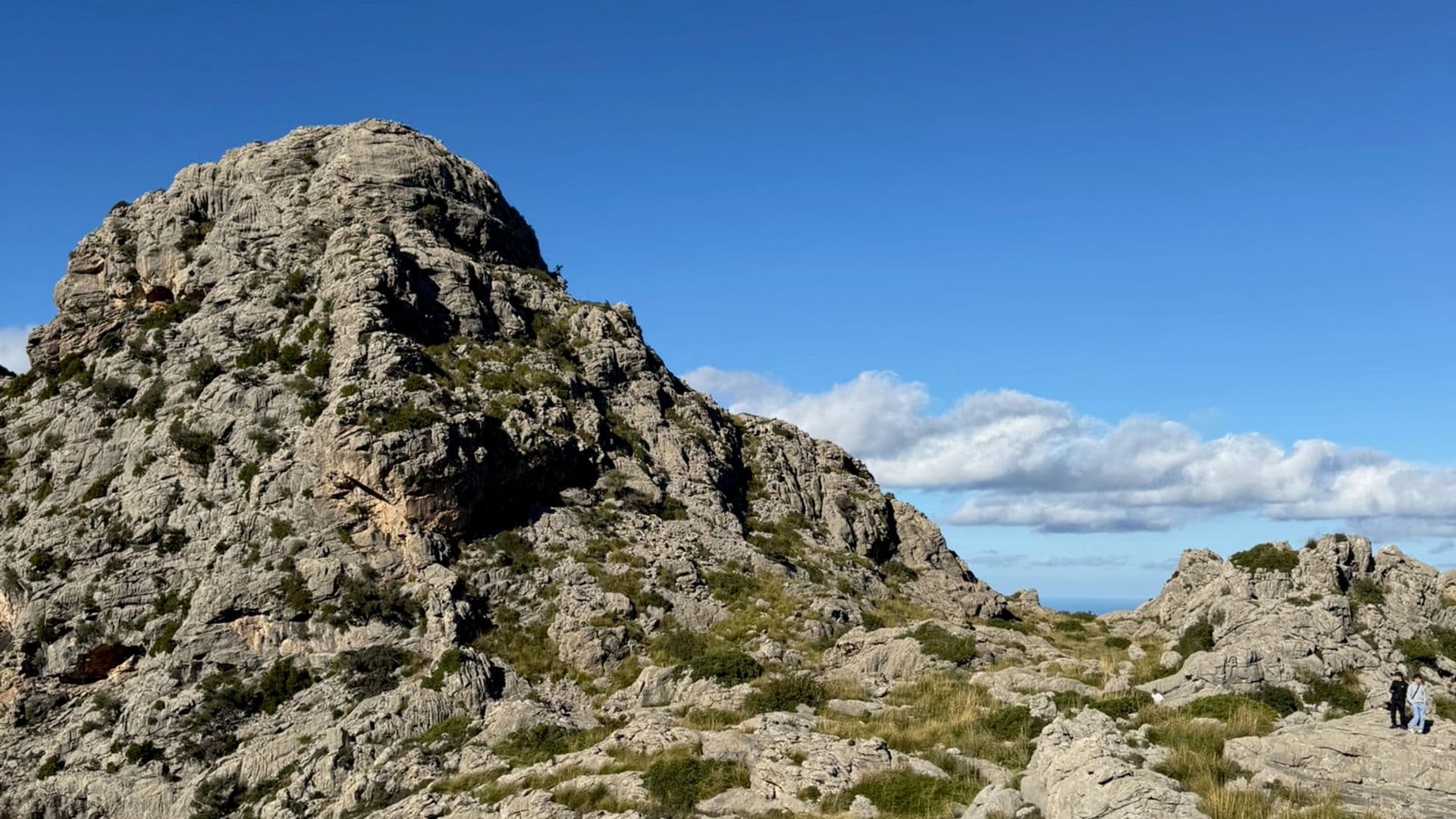
If you still have legs at three in the afternoon, drive out to Sa Calobra — twelve kilometres of switchbacks off the MA-10, including the famous "knotted tie" 360-degree loop. The road is the attraction as much as the cove at the bottom; walk through the two tunnels carved in the rock to reach the Torrent de Pareis pebble beach, swim if the cold doesn't put you off, and turn around before sunset for the drive back.
East: cave country — Sant Salvador, Drach, Hams, and dinosaurs for the kids
One hour east of Palma, the karst landscape around Manacor holds three of the busiest visitor attractions on the island within ten minutes of each other — and a viewpoint sanctuary south of them earns the early start.
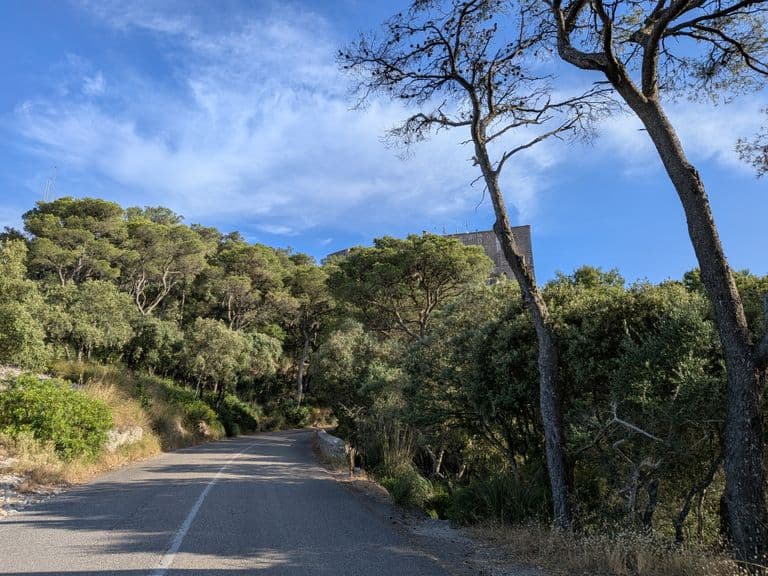
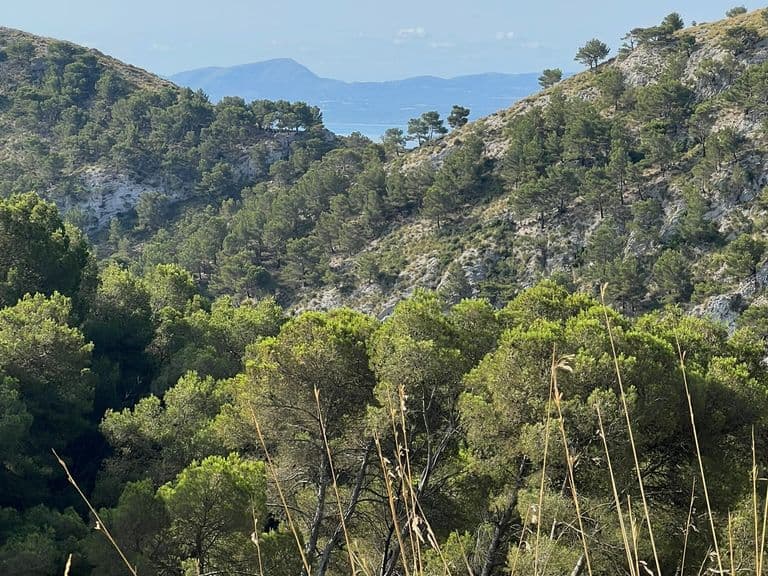
Worth the detour first: Puig de Sant Salvador, the hilltop sanctuary and giant stone monument above Felanitx. Drive the serpentine ribbon up to the top — fine in any rental, just watch for cyclists — and walk to the platform between the church and the monument for a full sweep across the south-east of the island, with the deep blue stretching out toward Portocolom. From there it's forty minutes back north to the cave country.
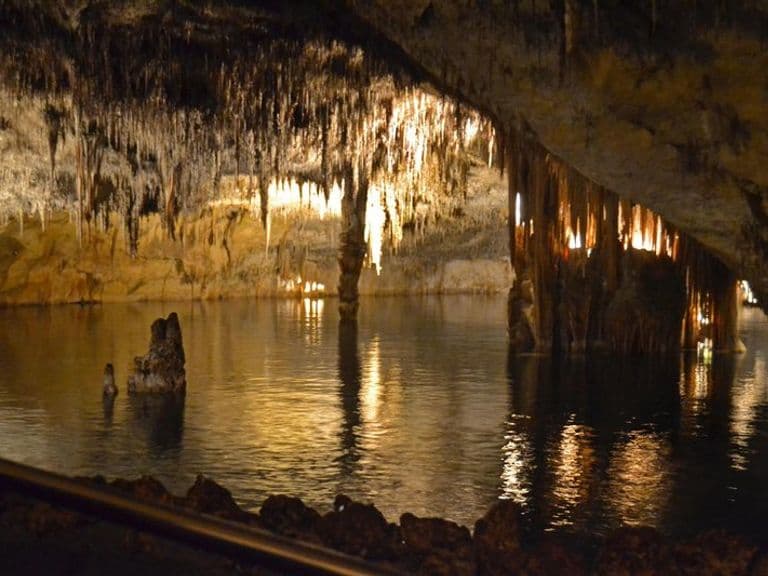
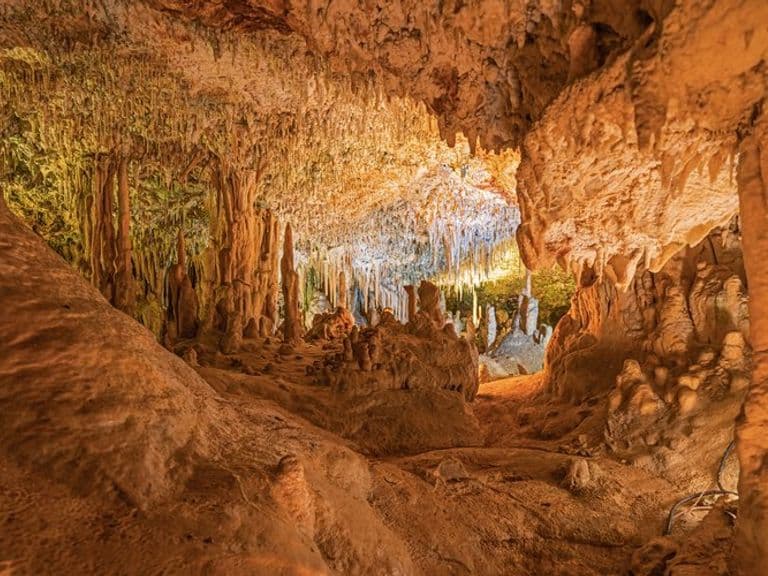
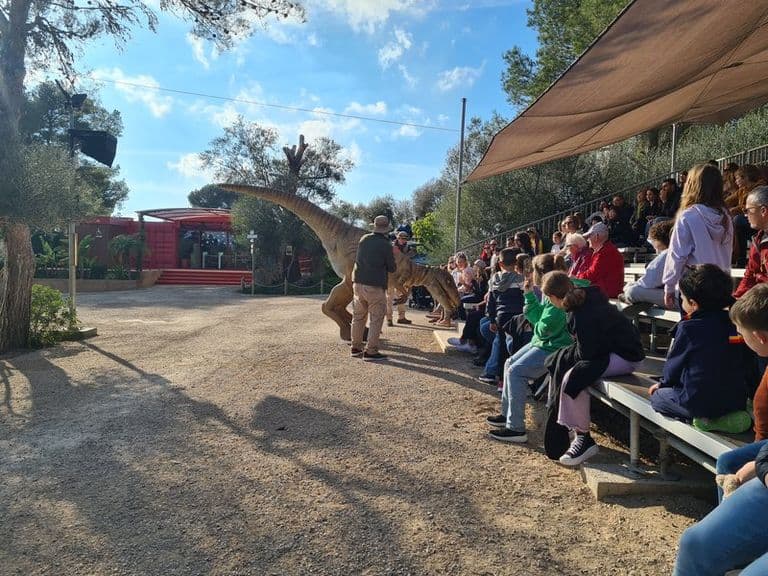
The headline cave draw is Coves del Drach at Porto Cristo — the cave system with the underground-lake concert at the end, where a string quartet plays from boats while you sit in complete darkness. Book the first morning slot online before you do anything else; same-day tickets routinely sell out. Ten minutes back up the road, Hams Caves is the quieter alternative — same lake-and-concert format with a fraction of the crowd. If you've got kids who've already done one underground experience, cross the road to Dinosaurland — forty life-size animatronic dinosaurs along a shaded loop, plus a playground at the back. For the deeper take on all four cave systems on the island, see the Caves of Mallorca guide.
North: the Bay of Alcúdia — a hike and a wetland
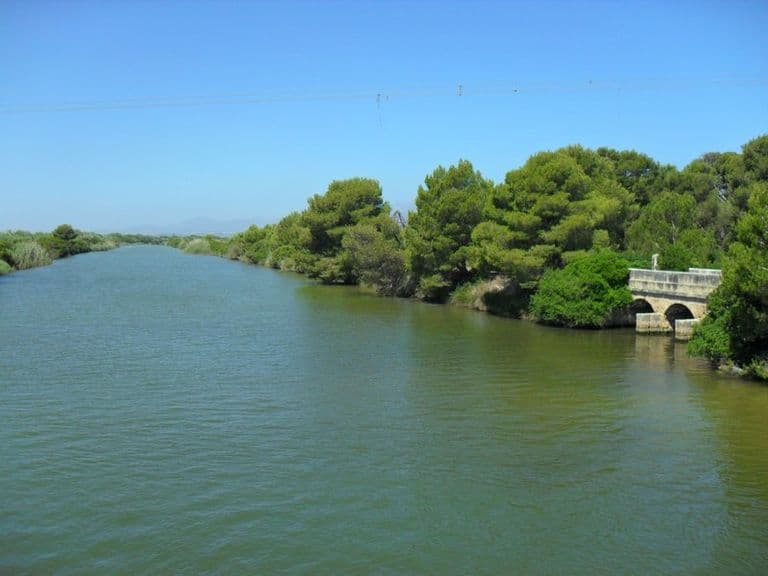
Less famous than the Tramuntana day, but a stronger choice for active visitors and birdwatchers. Drive an hour north from Palma to the Cap del Pinar peninsula and you've got a hike and a wetland reserve within twenty minutes of each other.
Talaia d'Alcúdia is the classic Mallorca summit hike — four to five hours round trip, about 550 metres up and down, with the whole Bay of Alcúdia laid out below you at the top. Start at the Ermita de la Victoria car park before 10 am or there'll be no space. Bring at least a litre and a half of water per person; there are no sources on the trail. After the hike, drive down to Parc Natural de s'Albufera — the wetland reserve behind Playa de Muro, where wooden bird hides open onto lagoons full of flamingos, avocets and herons. The full loop is twelve and a half kilometres; the short trails around the visitor centre are fine on foot. Download Merlin Bird ID before you go. For more on Mallorca's day-hikes, see the Hiking in Mallorca guide.
South: salt flats and an offshore archipelago
The least-touristed of the four directions, and the right pick when you want a slower day. Forty-five minutes south of Palma drops you into the Es Trenc area — the long sand beach that even locals still consider the best on the island.
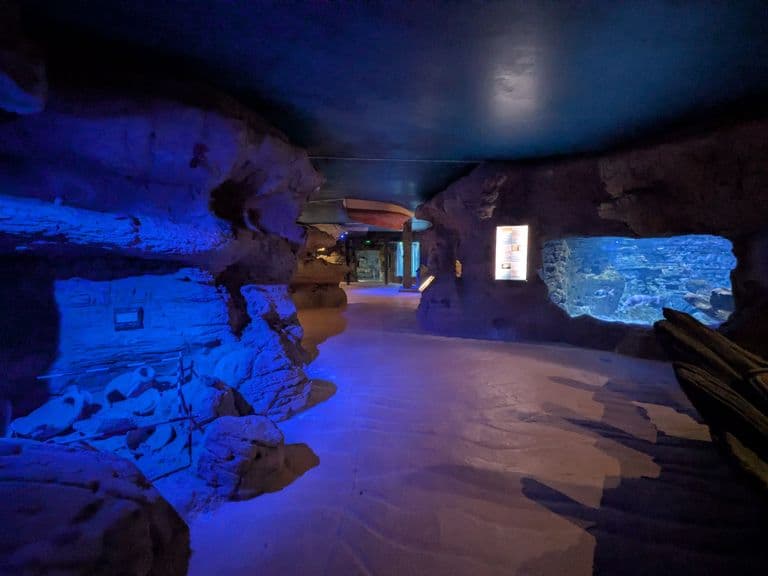
Salines des Trenc is the working salt producer right next to the beach, with hourly guided tours through the pond system — the ponds shift from white to pink to blue depending on the evaporation stage. Flamingos are the headline pitch but they're hit-or-miss; the pink shrimp that feed them are the actual stars. From there it's another twenty minutes east to Colònia Sant Jordi, where Aquarium Cabrera is a one-room introduction to the marine life of the Cabrera archipelago just offshore — the small uninhabited islands that became Spain's first maritime national park in 1991. The aquarium itself takes under an hour, and the conversation about Cabrera might plant the seed for a future boat-trip day from the same harbour. For more on Mallorca's nature reserves, see the Wildlife & Nature Reserves guide.
Mallora's tip — which direction, which day
If you've got one day in Palma and one chance, go northwest — Carthusian Monastery Valldemossa in the morning, the Sóller tram at lunch, and Sa Calobra in the late afternoon. The Tramuntana loop is the most photographed day on the island for a reason, and the road alone justifies the trip.
If you're a family with kids, go east — start with the view from Puig de Sant Salvador before the heat lands, then pair Coves del Drach or Hams Caves with Dinosaurland for a full day with two completely different experiences.
If you're an active visitor or a birdwatcher, go north — Talaia d'Alcúdia for the hike and Albufera for the wetland is the strongest two-stop day on the island for nature.
If you want the quiet day, go south — Salines plus a long lunch by the beach, then the Cabrera aquarium before the drive back. Almost no one does this trip and they should.
One thing all four share: leave Palma by ten in the morning. The roads to the Tramuntana fill up by eleven, the cave parking lots fill by midday, and the salt flats turn punishing in the afternoon heat. Early start, slow lunch, back to Palma for sunset — that's the rhythm.